about
This project explores speculative design as a tool for projecting everyday life 20–30 years into the future. Through research, storytelling, and material exploration, the project constructs a future that feels both unfamiliar and recognizable.
goal
By speculating on a future where sustainability is enforced rather than optional, the project aims to provoke reflection on present-day habits and the role of design in guiding more responsible futures.
outcome
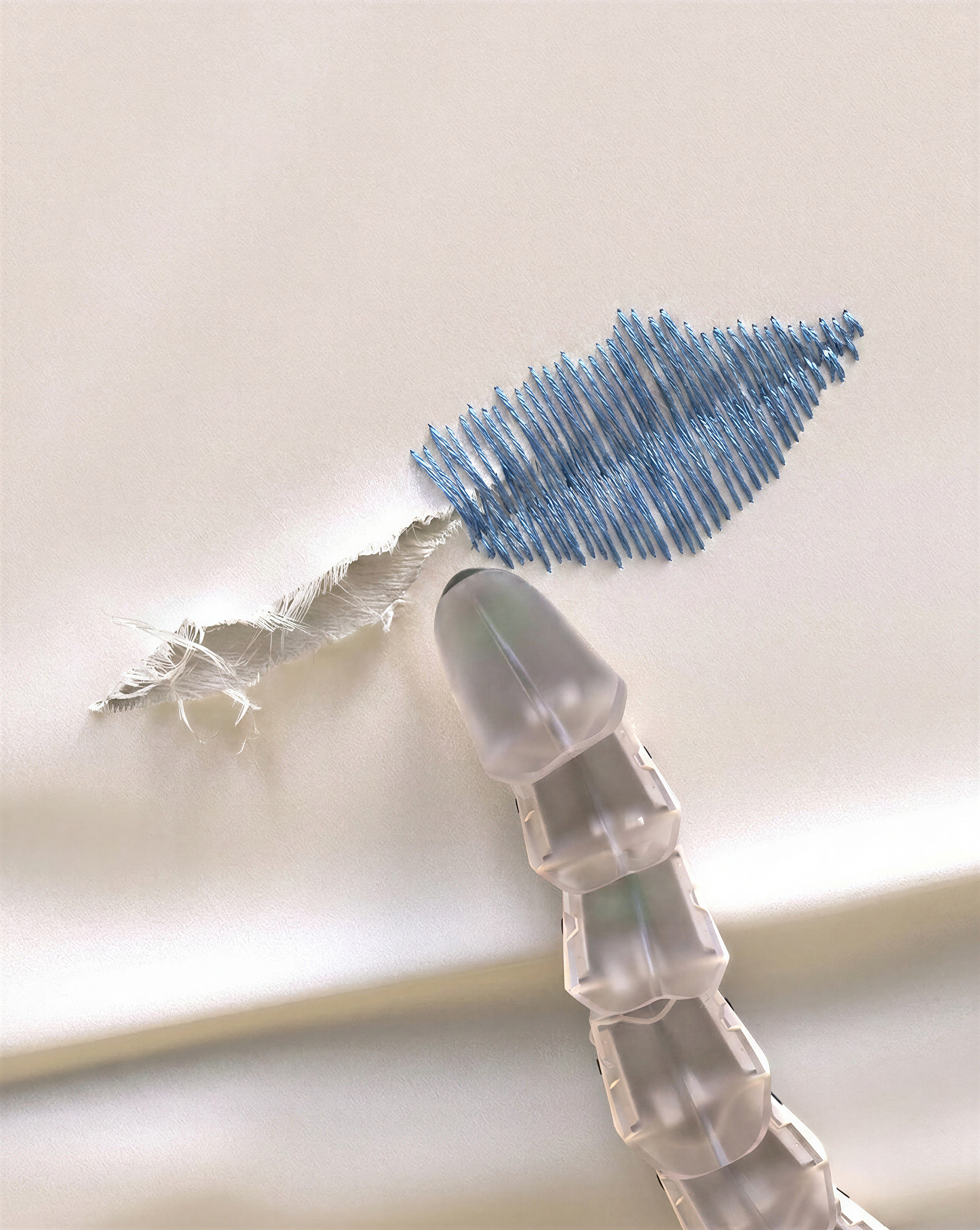
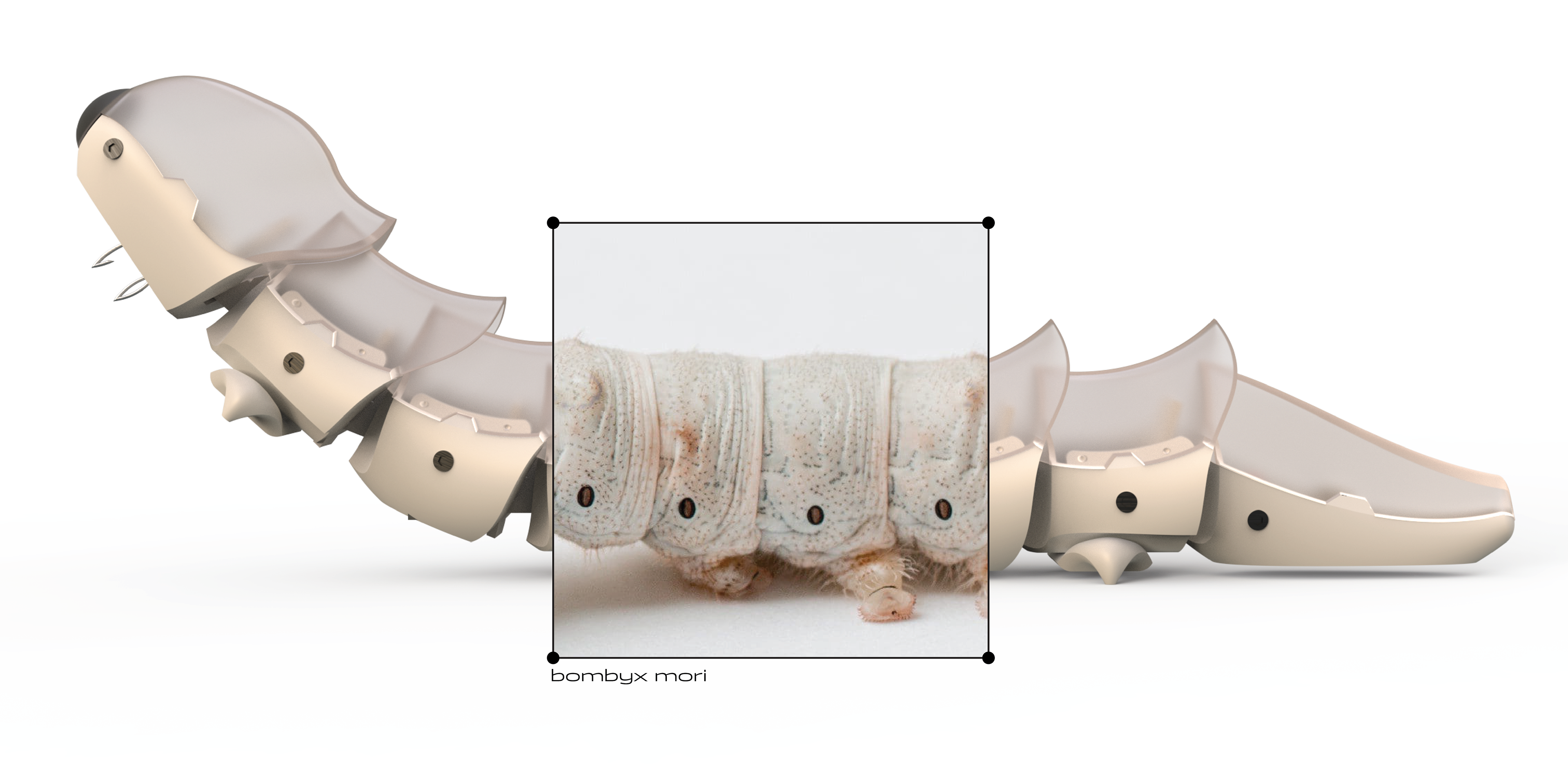
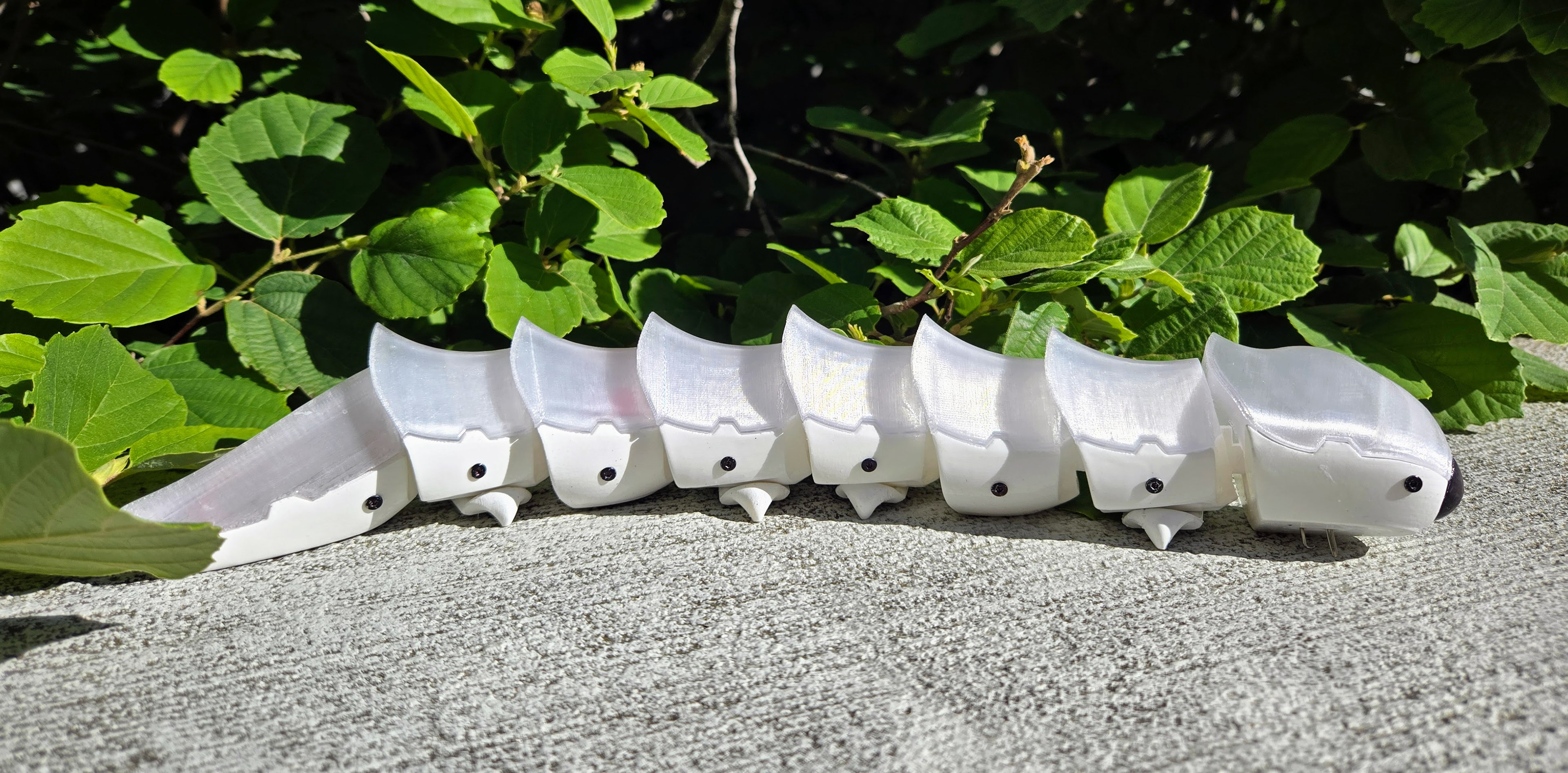
SILKSTITCH is a small, worm-like robotic device that traverses garments and visibly mends. Inspired by the natural behavior of silkworms, the device reimagines repair as both functional and expressive.
SILKSTITCH
Autonomous Repair Companion
Autonomous Repair Companion
━━━━━━━━━━━━━━━━━━━━━
4 Week Project
Spring 2025
Spring 2025
Virginia Tech School of Design
Independent
research.
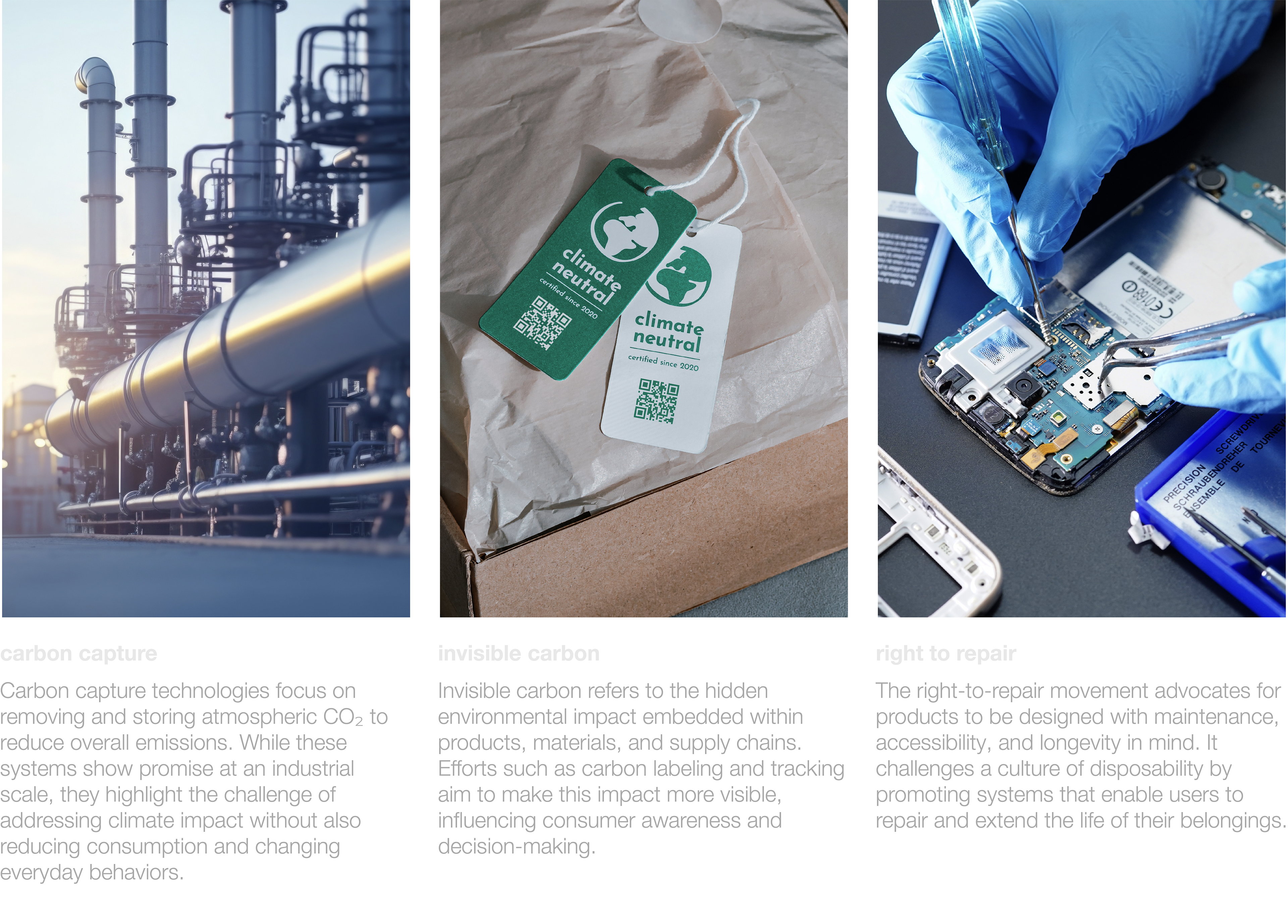
This project is grounded in research across three intersecting areas; carbon capture, the concept of invisible carbon, and the right to repair movement, to frame both the future scenario and the design response.
world building.
What if the government created a carbon debt system to make individuals accountable for their environmental impact?
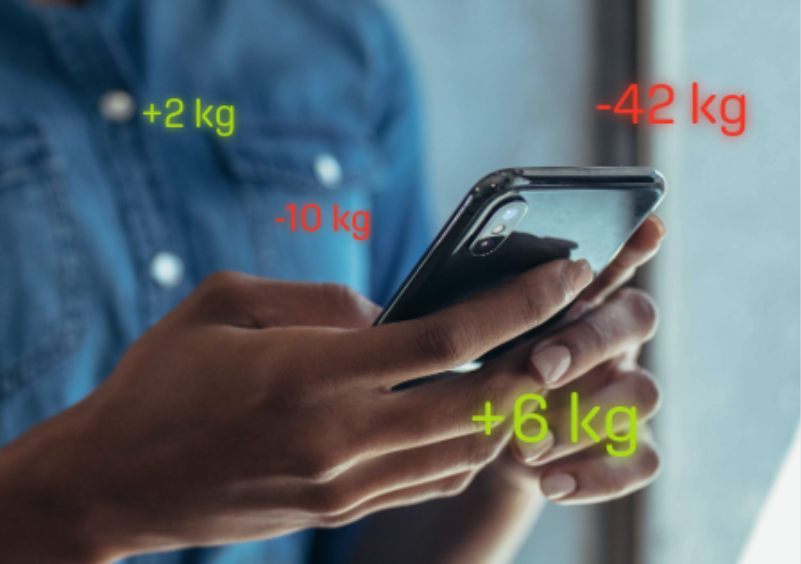
By 2056, carbon is no longer an abstract metric but a personal liability. Governments have implemented a carbon debt system that tracks the environmental cost of everyday actions, embedding it into daily life much like financial credit. Every purchase, repair, or disposal carries weight, and individuals are held accountable for the cumulative impact of their choices. In response, behaviors have shifted. People actively seek ways to reduce, offset, and reclaim their carbon standing, turning sustainability from a passive ideal into an urgent, lived reality.
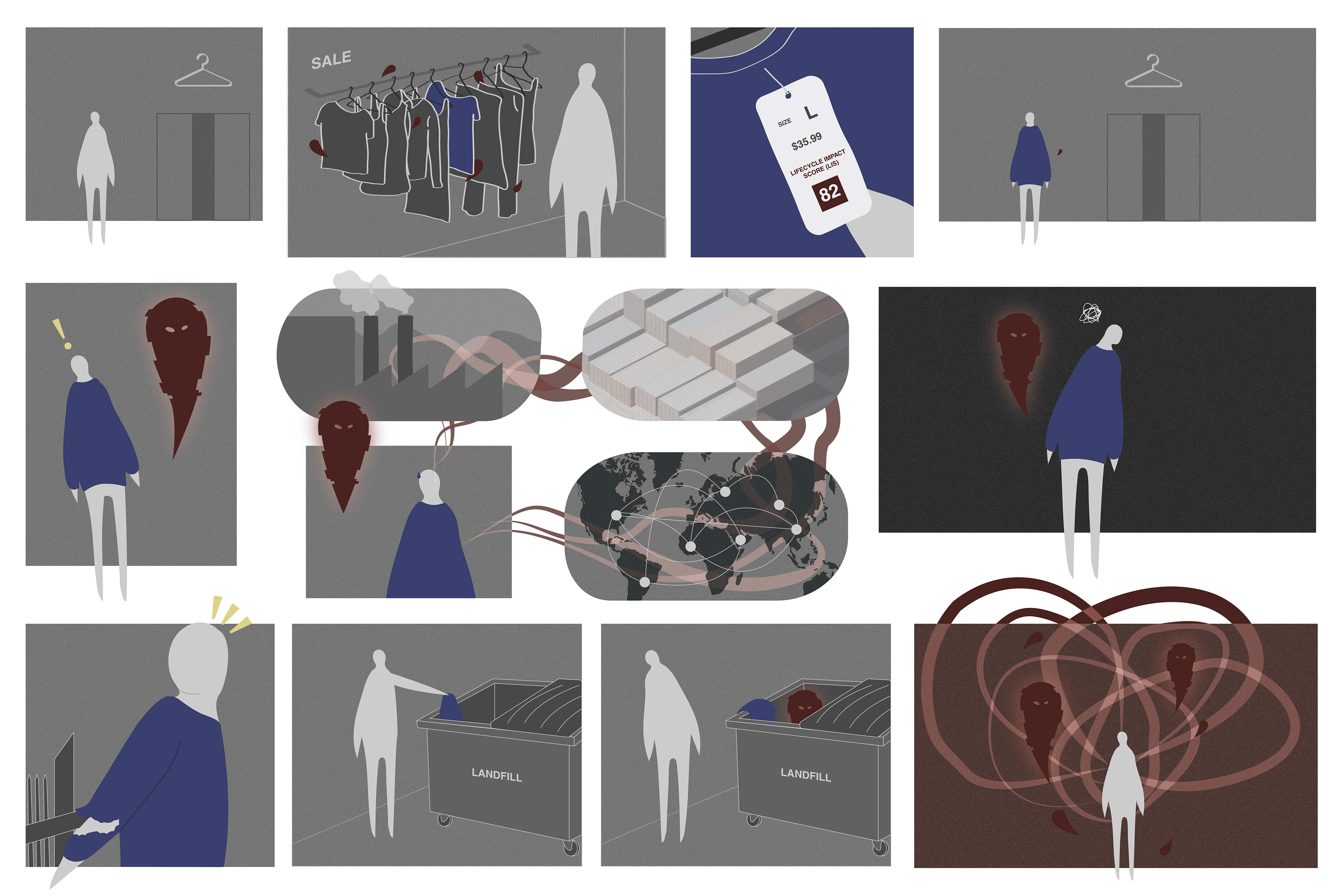
Storyboard, showing the future world and representing the weight of carbon debt as a digital "ghost".
conceptualization.
early concepts
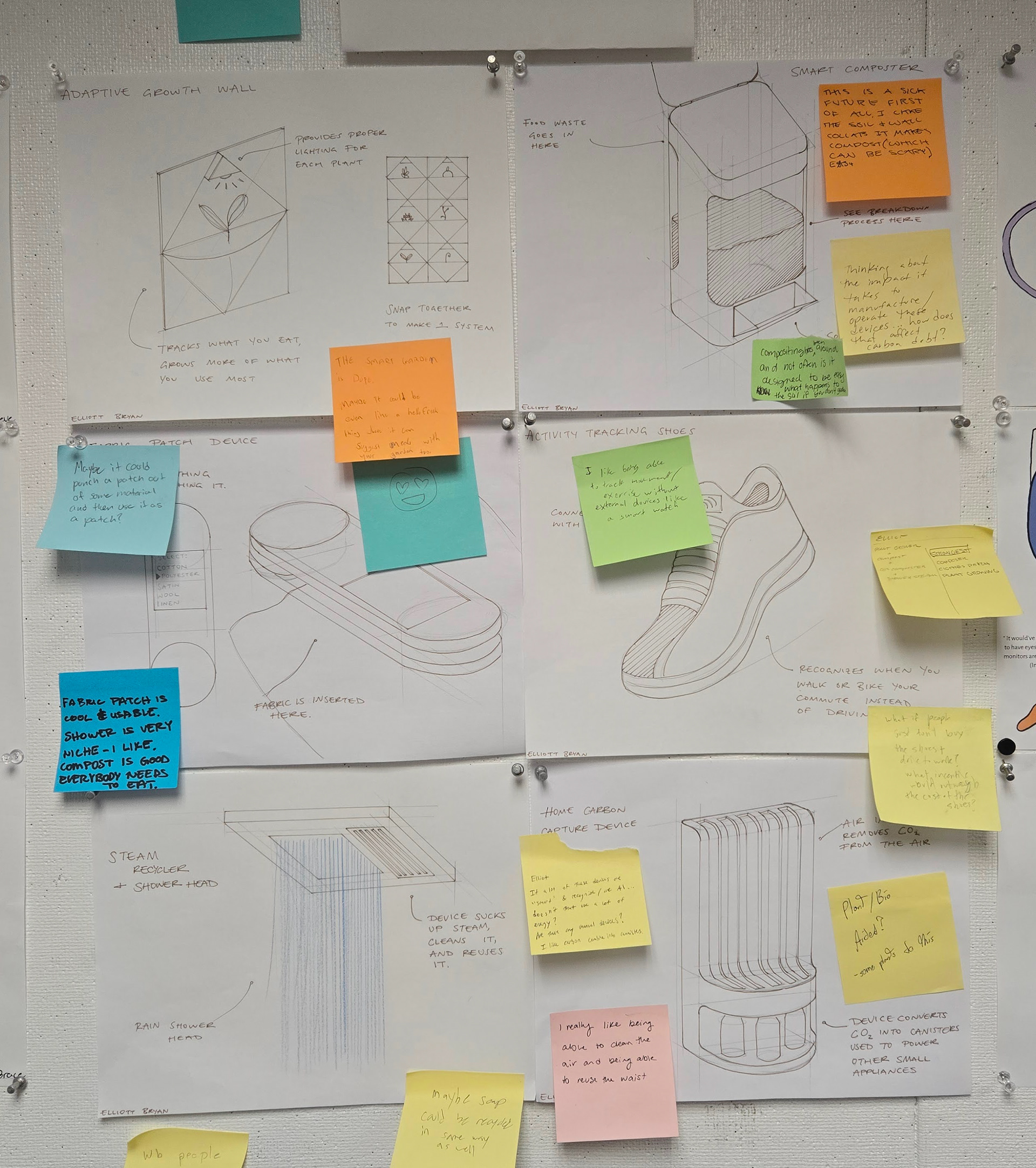
The ideation process began with the development of six distinct concepts responding to the future scenario. These ideas were presented and pinned up for critique, where peer feedback was gathered through written notes and discussion. This process surfaced strengths, gaps, and new directions, allowing the concepts to be evaluated collectively and refined based on shared insight.
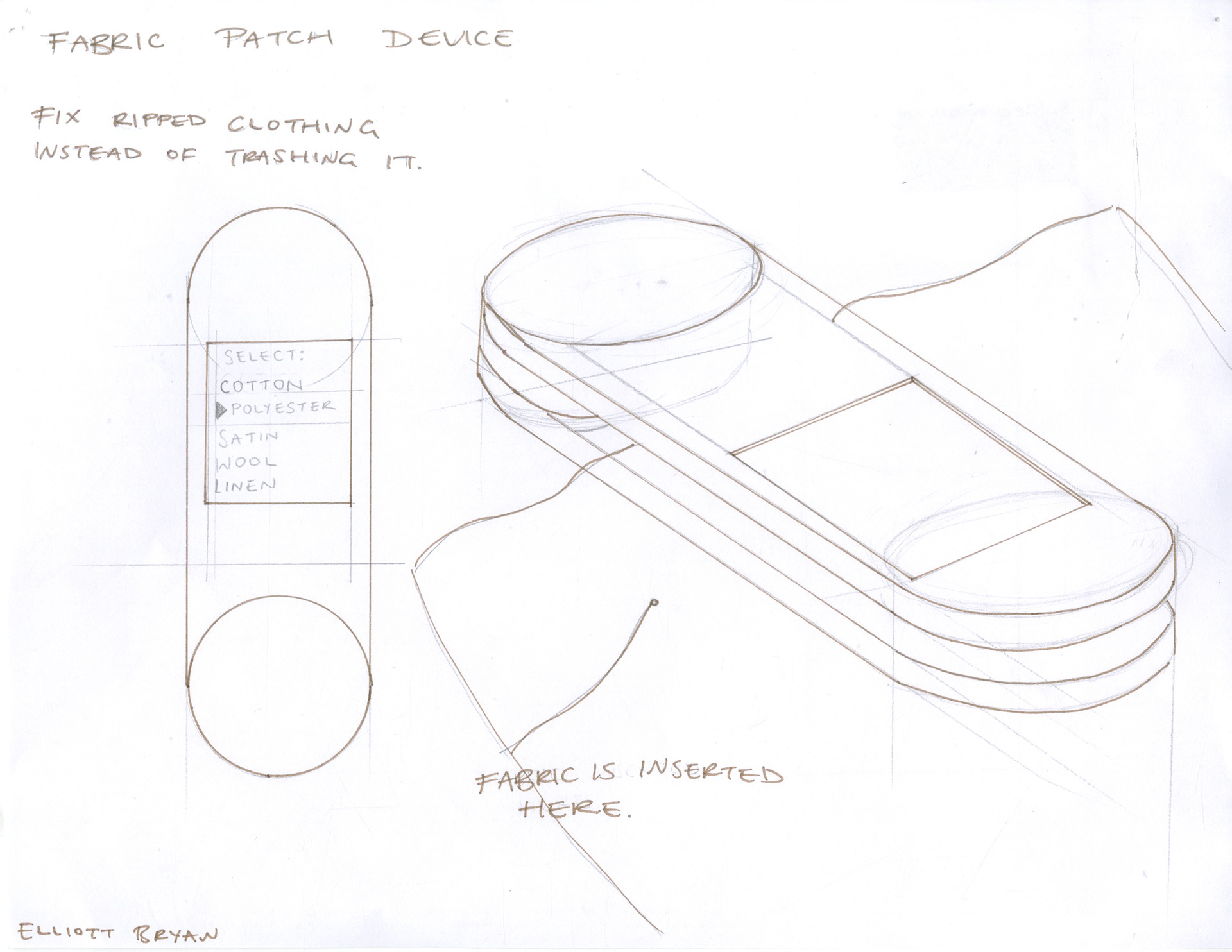
After choosing to continue with Fabric Patch Device, I came up with two more ideas and prototypes for each.
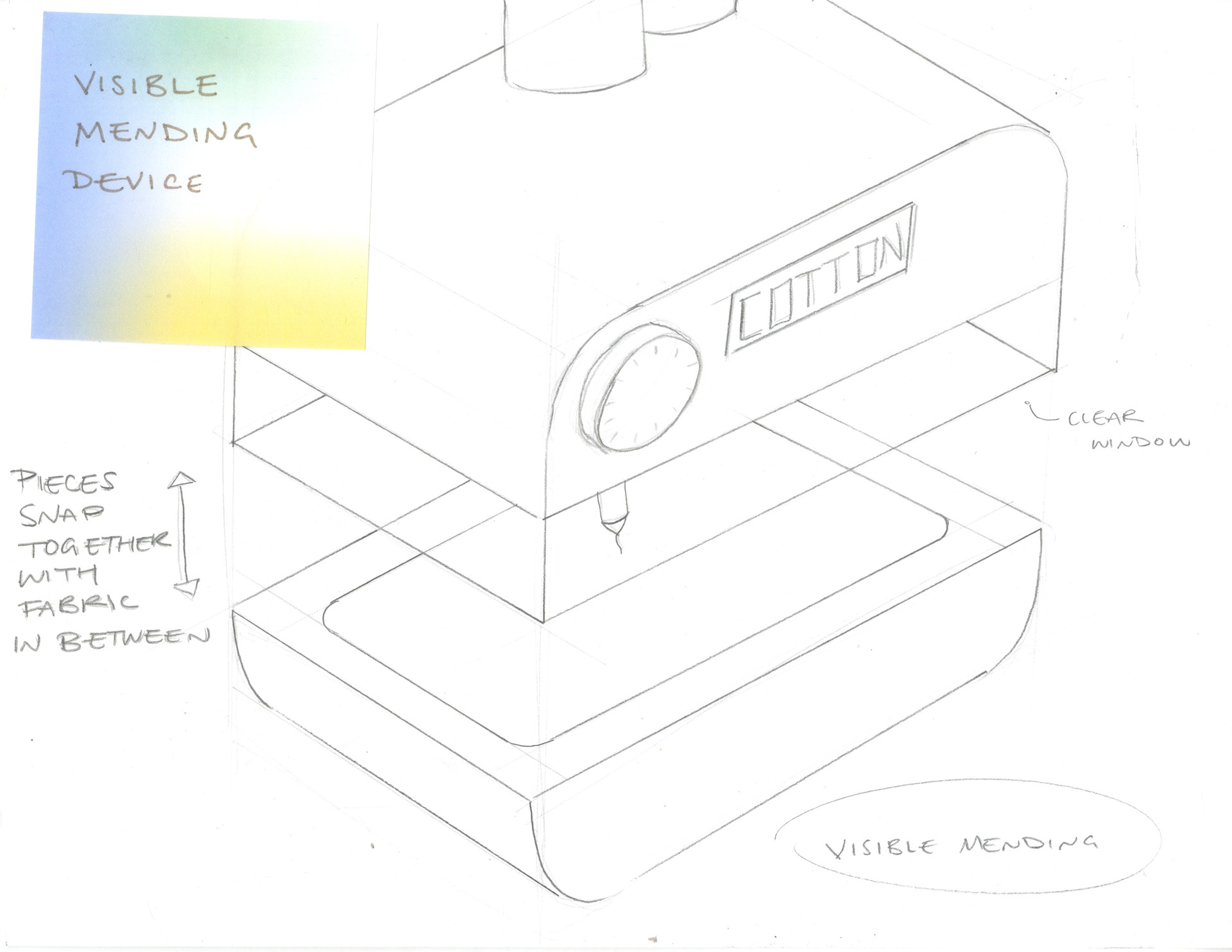
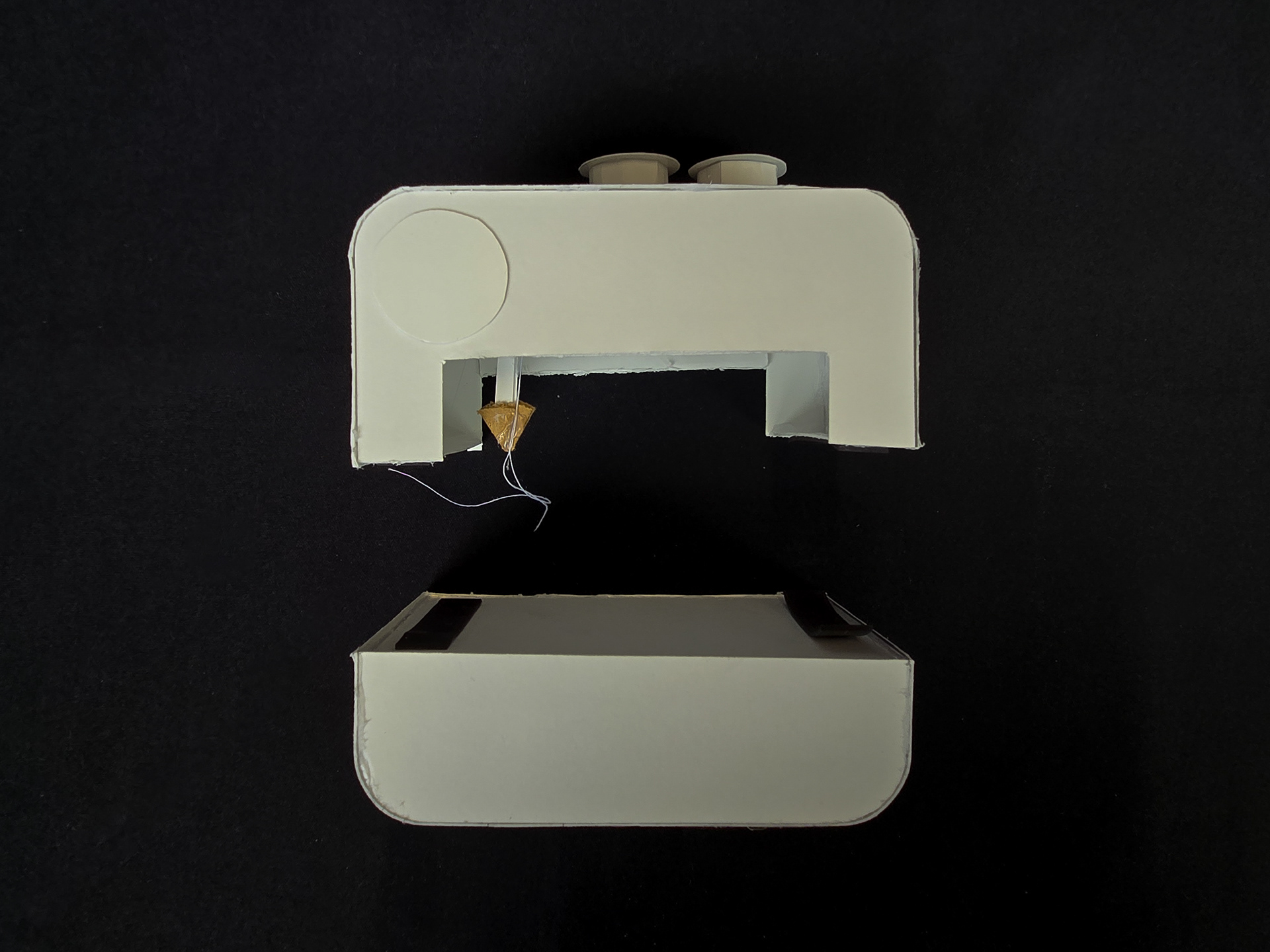
Autonomous Mending Device
This concept explores repair through a familiar technological framework, reimagining the sewing machine as an automated, 3D printer–like system. Garments are placed within the device, where damage is scanned and repaired without user intervention. The approach focuses on precision, efficiency, and accessibility, positioning repair as a seamless extension of existing domestic appliances.
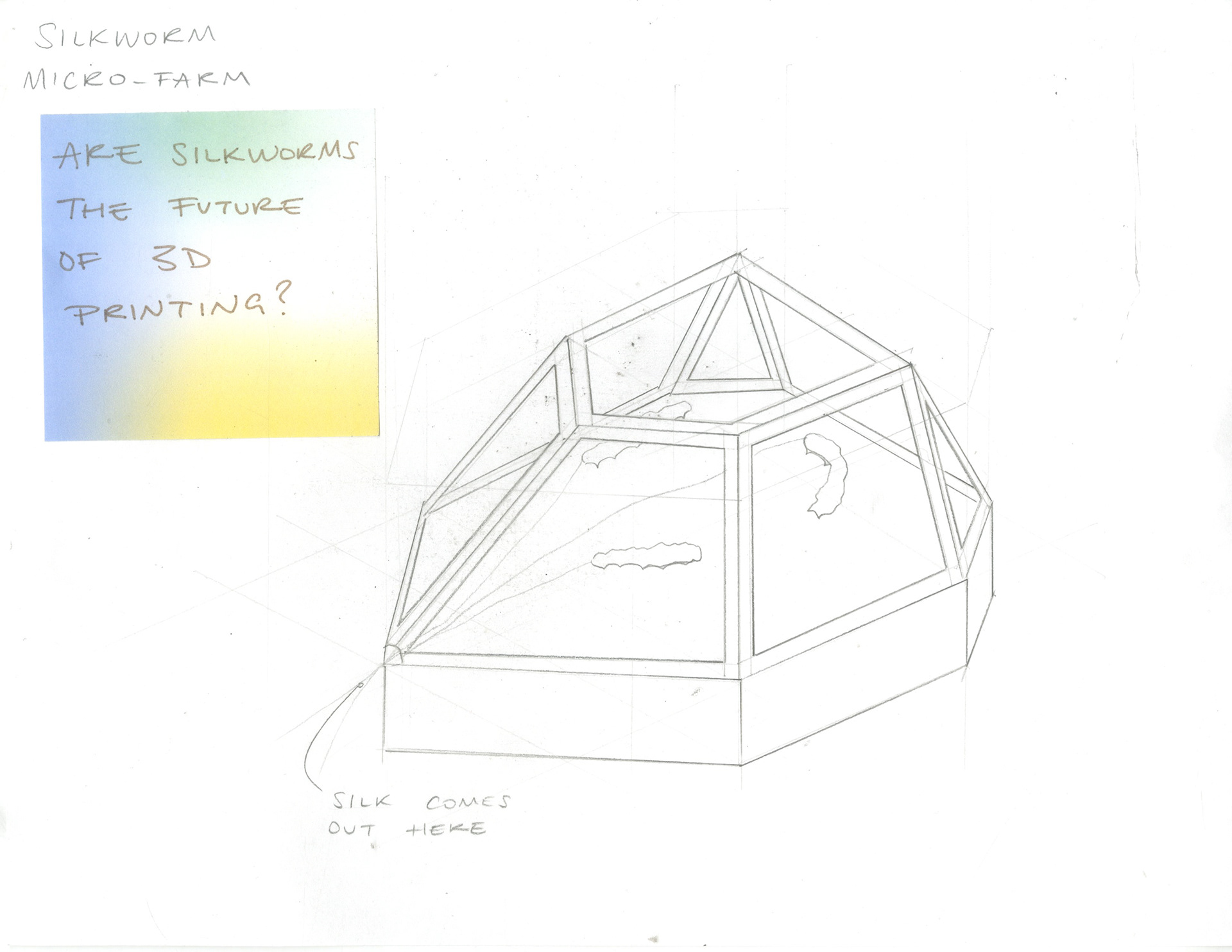
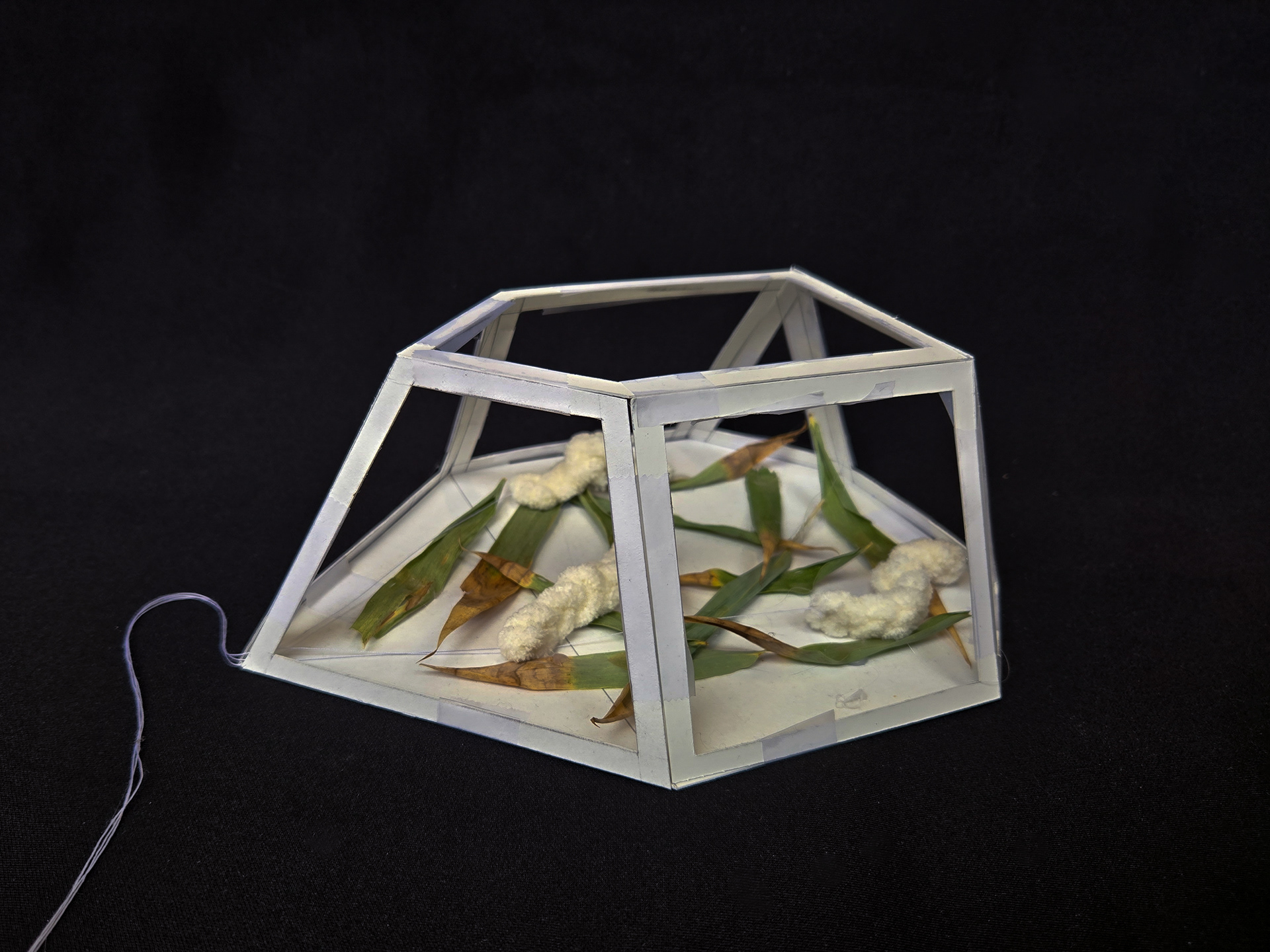
Silkworm Farm System
This concept takes a more speculative approach, imagining a living system where silkworms are used to mend garments directly. Drawing from natural silk production, the process reframes repair as something grown rather than manufactured. The system introduces unpredictability and variation, resulting in visible, organic mending patterns that emphasize care, time, and the material origins of textiles.
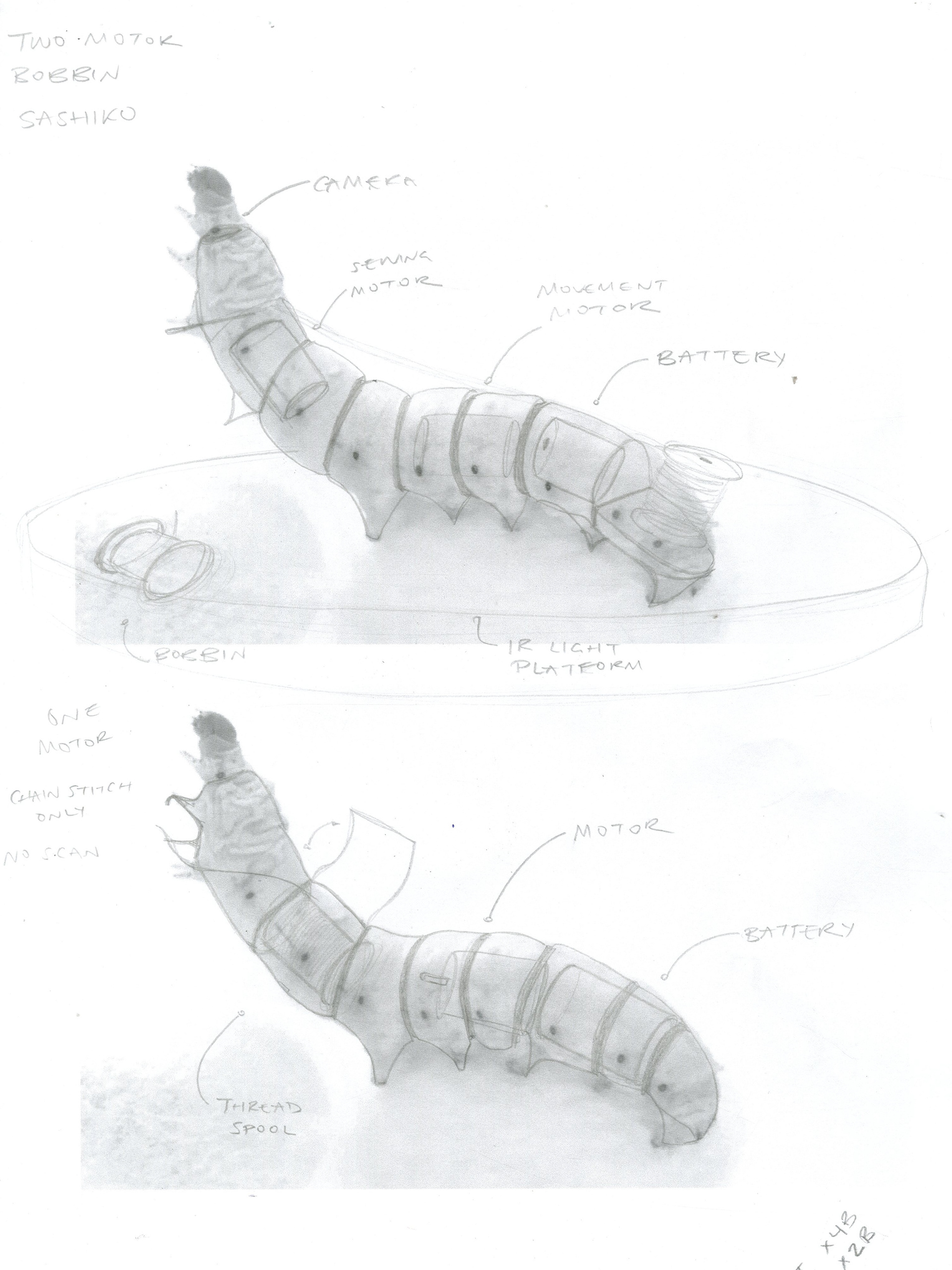
concept convergence
These two directions were brought together through a shared goal of making repair both accessible and meaningful. The precision and autonomy of the machine-based system offered a practical framework, while the silkworm concept introduced a more expressive, material-driven approach rooted in nature. The final direction merges these qualities into a robotic silkworm that operates with the control of a device but mimics the behavior and output of a living organism. By preserving the slow, visible, and organic qualities of silk production, the design maintains a connection to natural processes while functioning within a contemporary, domestic context.
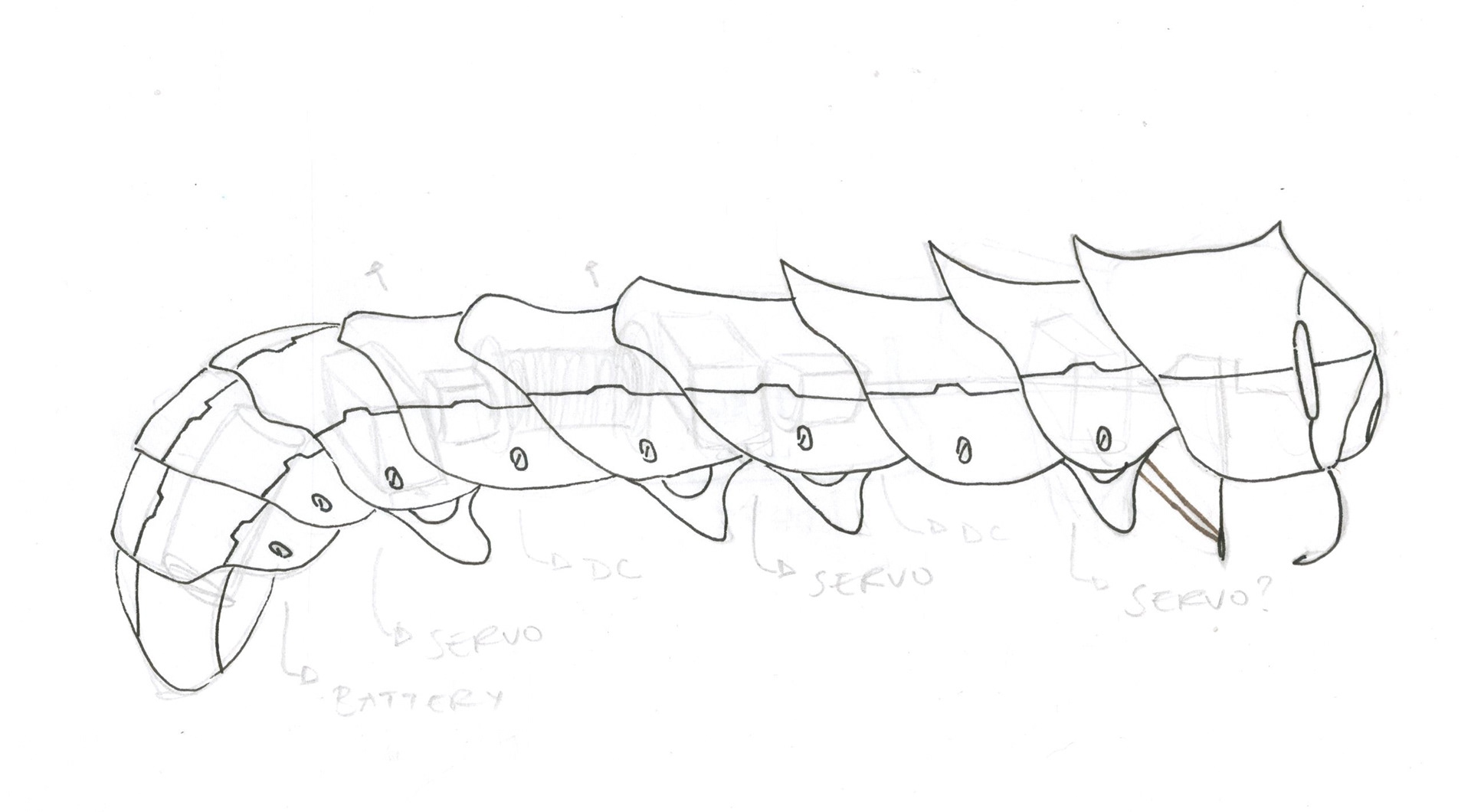
prototyping.
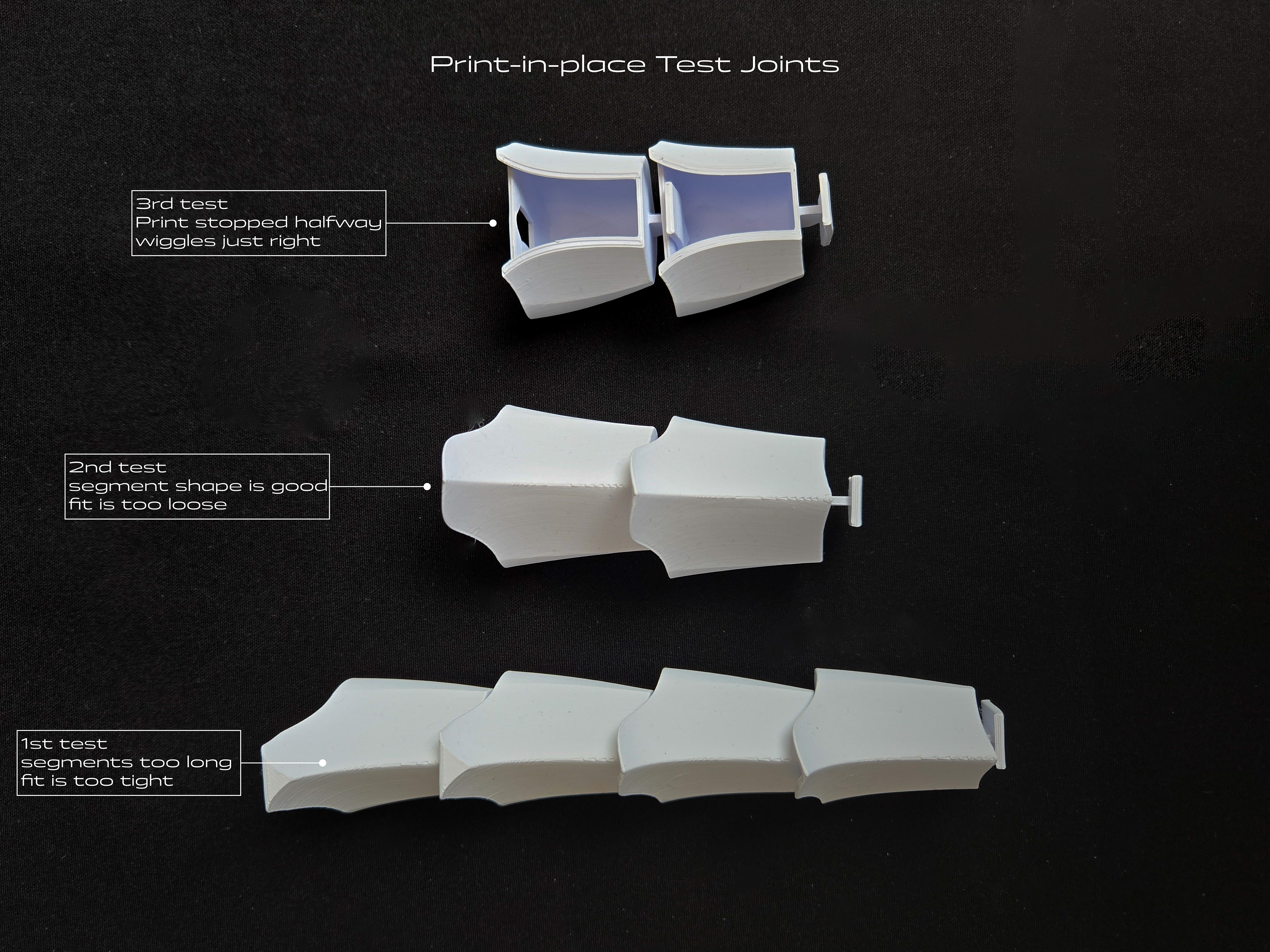
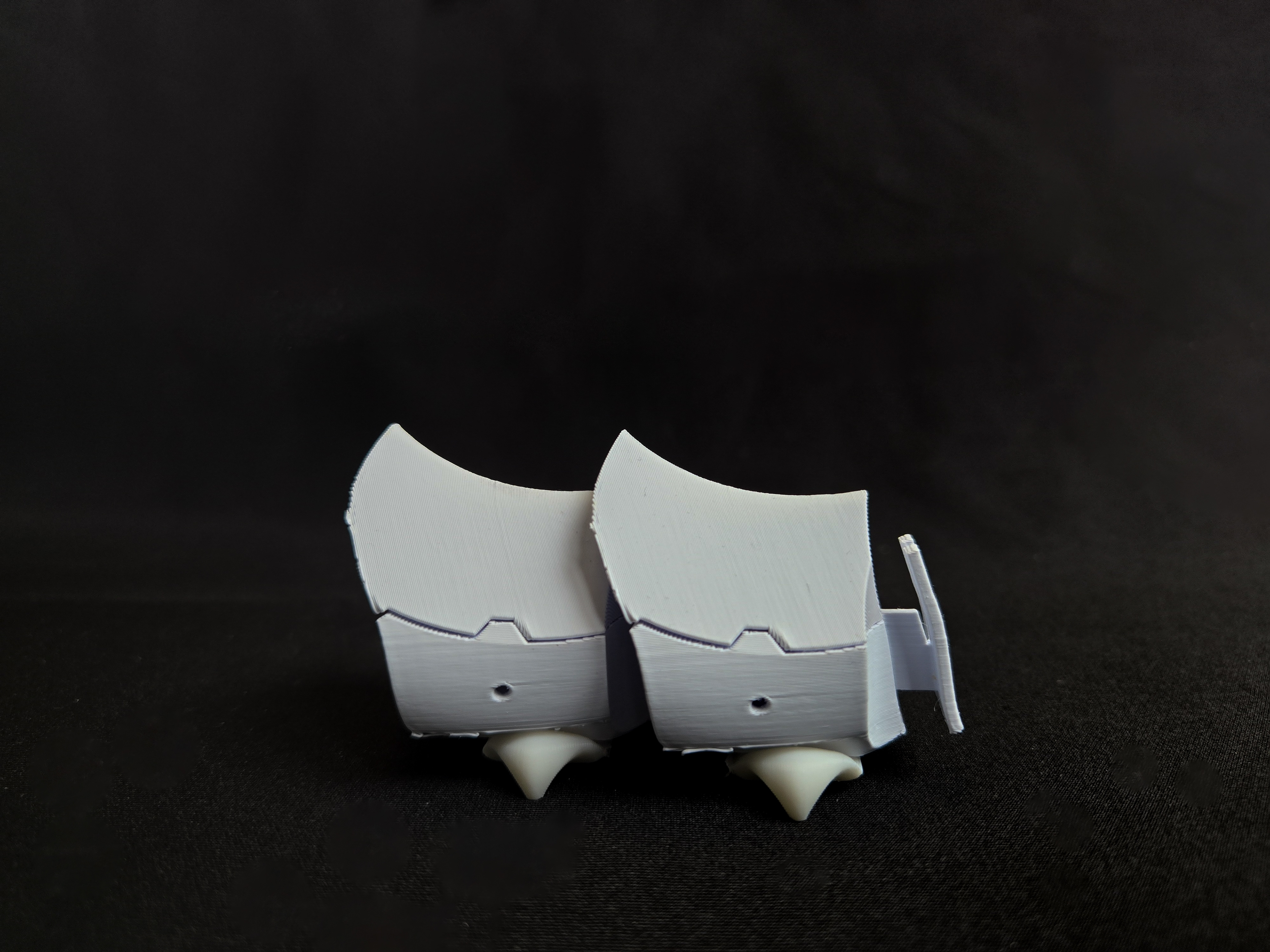
Initial experiments focused on print-in-place, articulated joints, exploring how segmented body parts could flex and bend while remaining structurally connected. These early studies helped establish constraints around scale, movement, and continuity of form, informing how the body could begin to feel both mechanical and organic in motion.
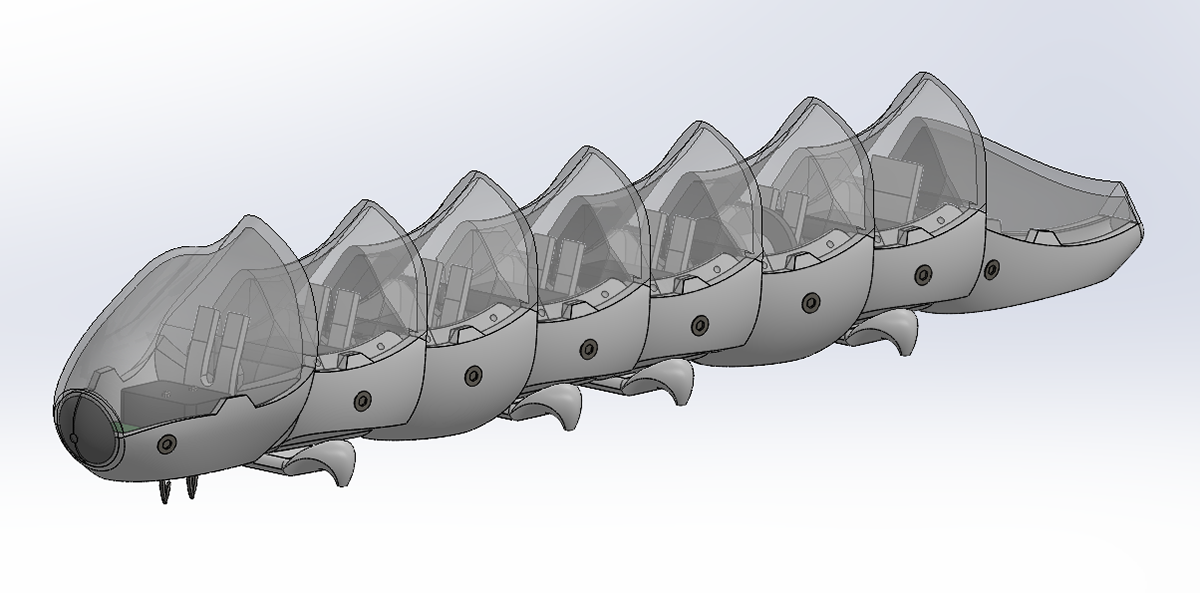
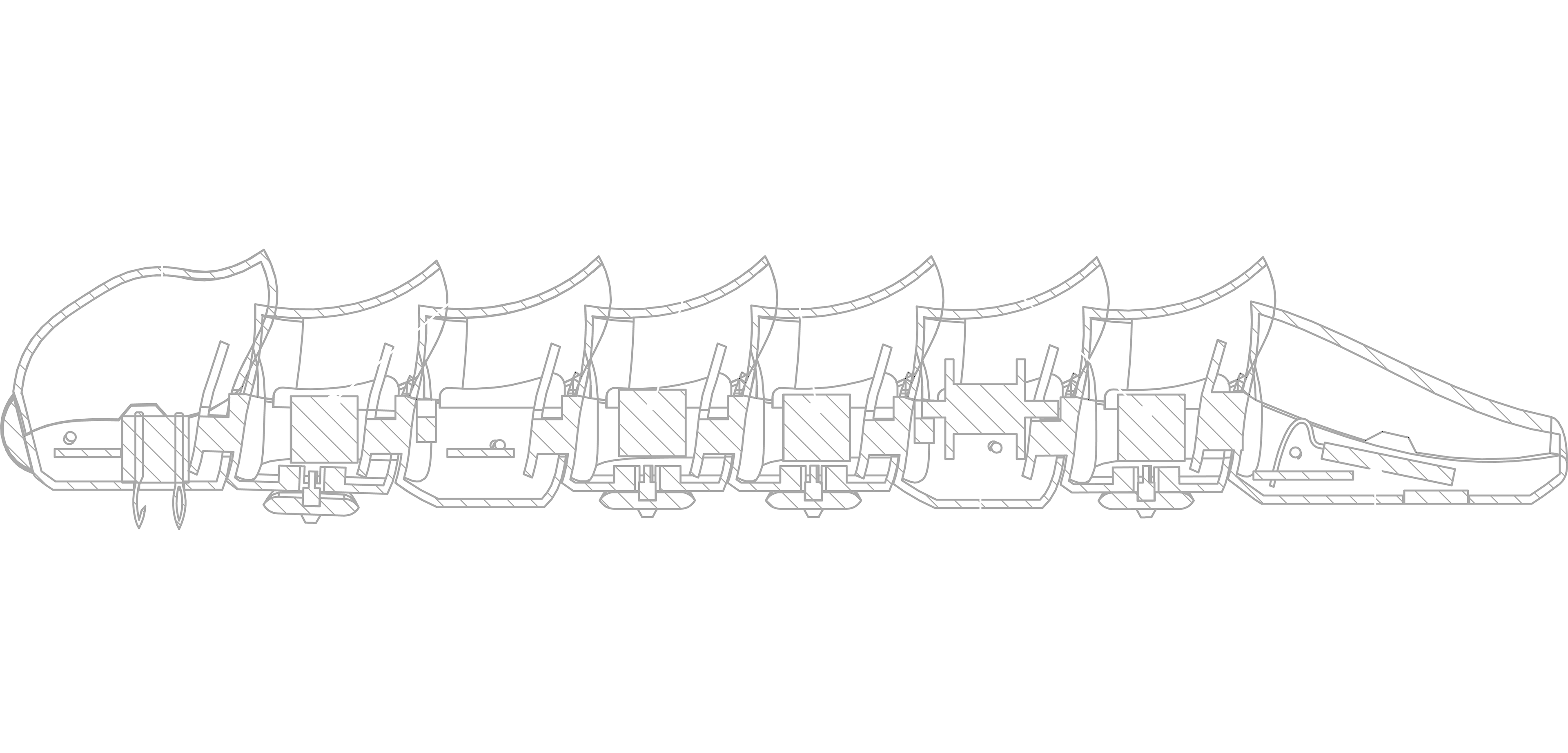
Final SolidWorks Model
SILKSTITCH
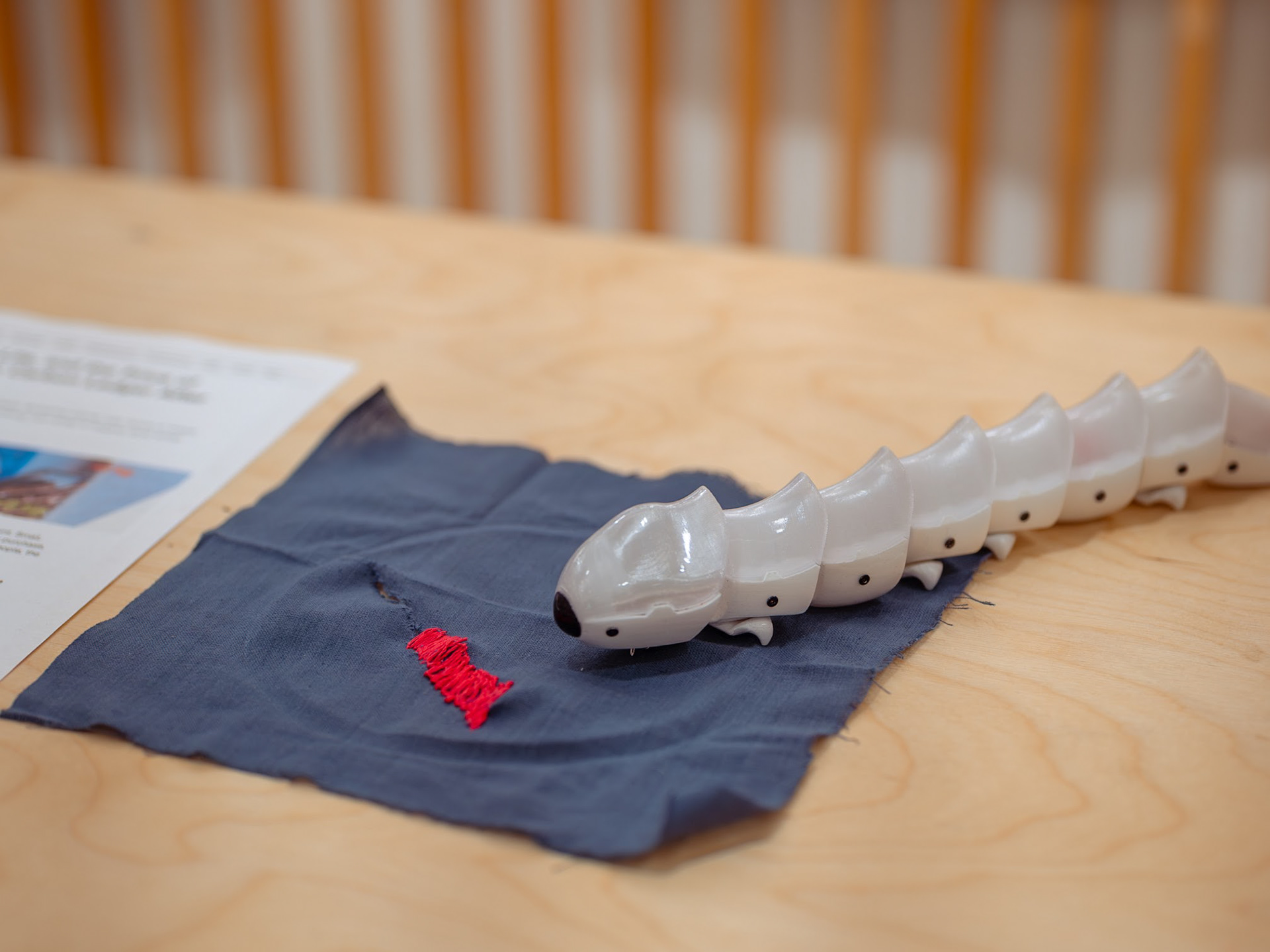
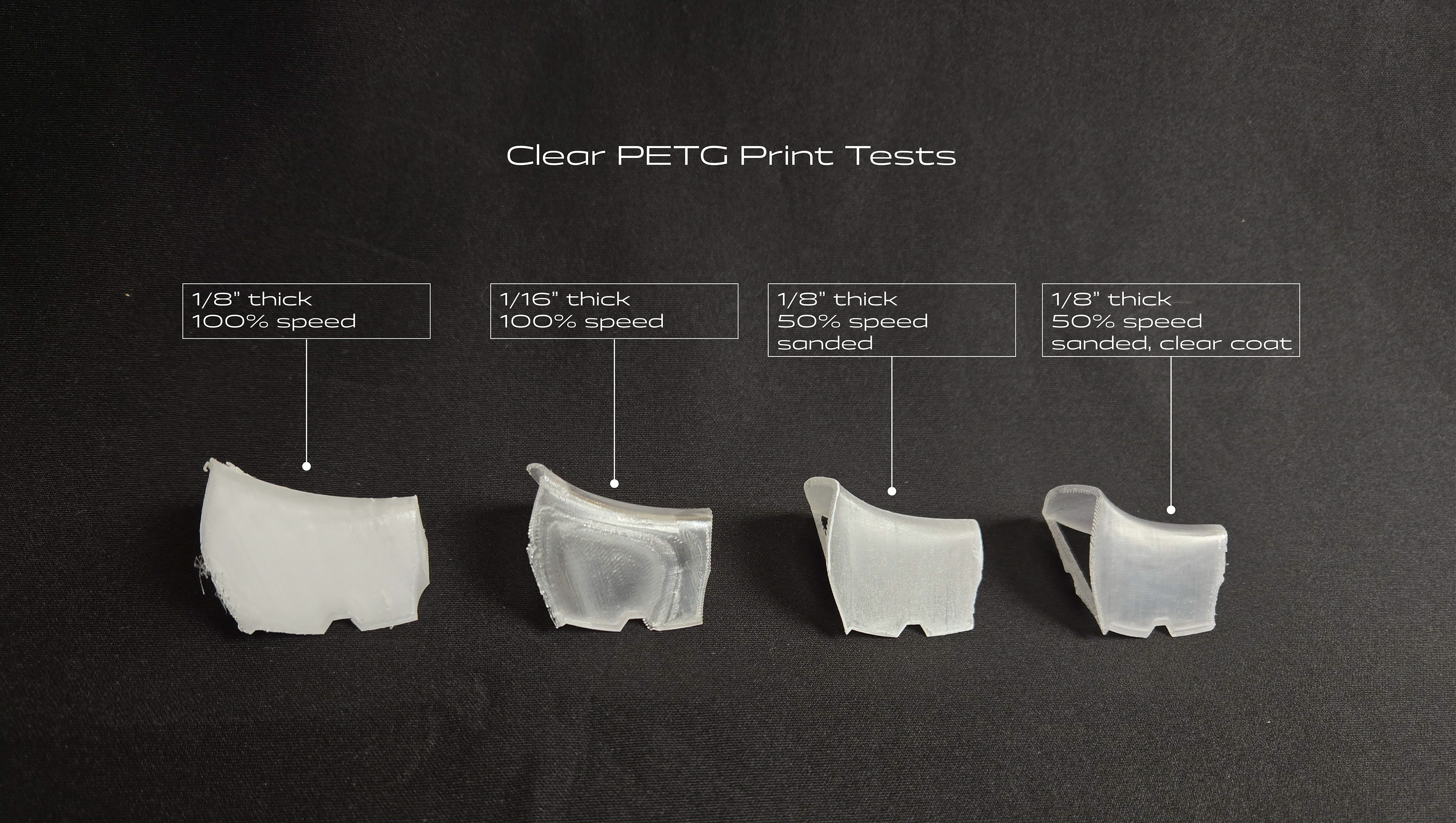
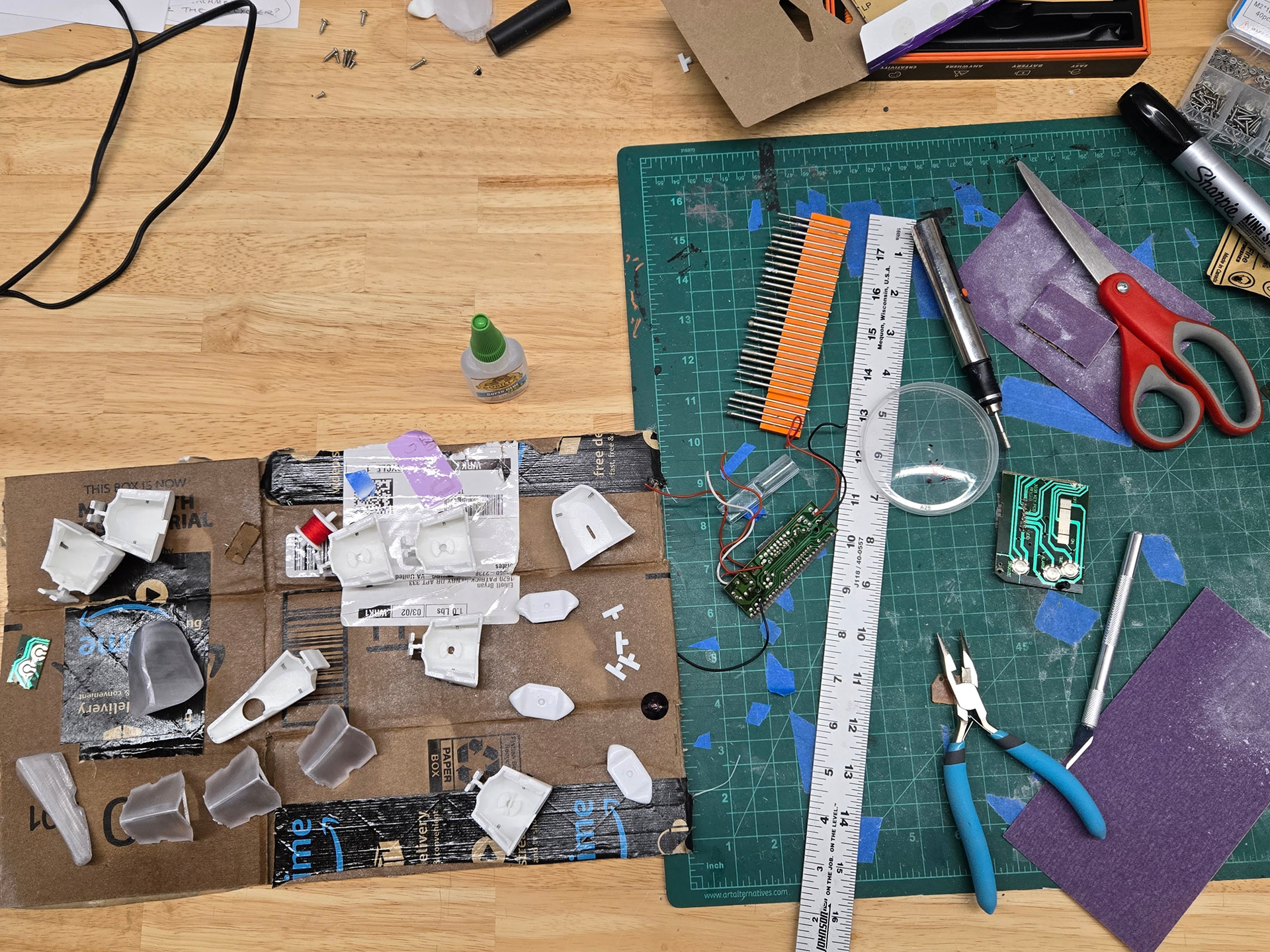
Final "looks-like" prototype is made from clear PETG and white PLA finished by sanding and spray painting.
KeyShot Render
KeyShot Render
right-to-repair integration
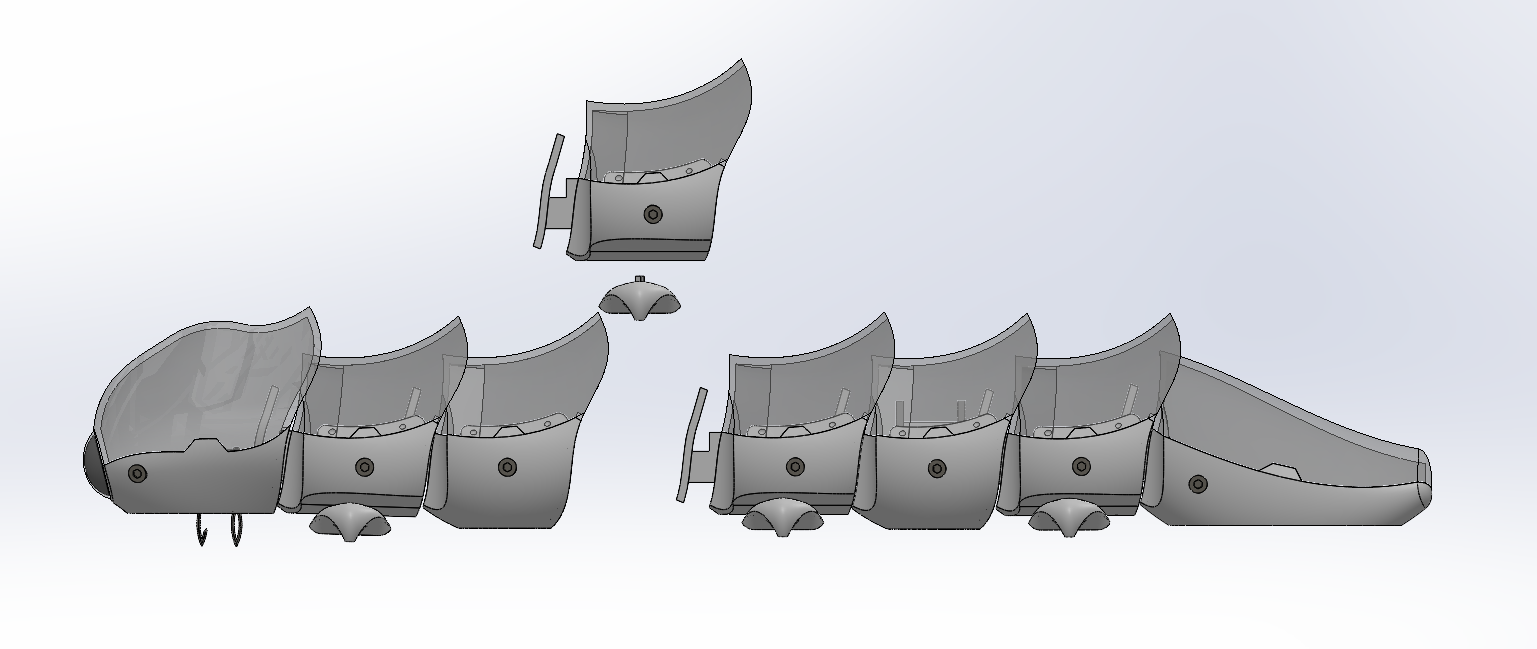
Principles of the right-to-repair movement were embedded into the design of the system through its modular construction. The worm’s segmented body is intentionally designed to disassemble easily, allowing individual components to be replaced or repaired rather than discarding the entire device. This approach extends the lifespan of the system and reinforces a broader shift away from disposable technology toward maintainable tools
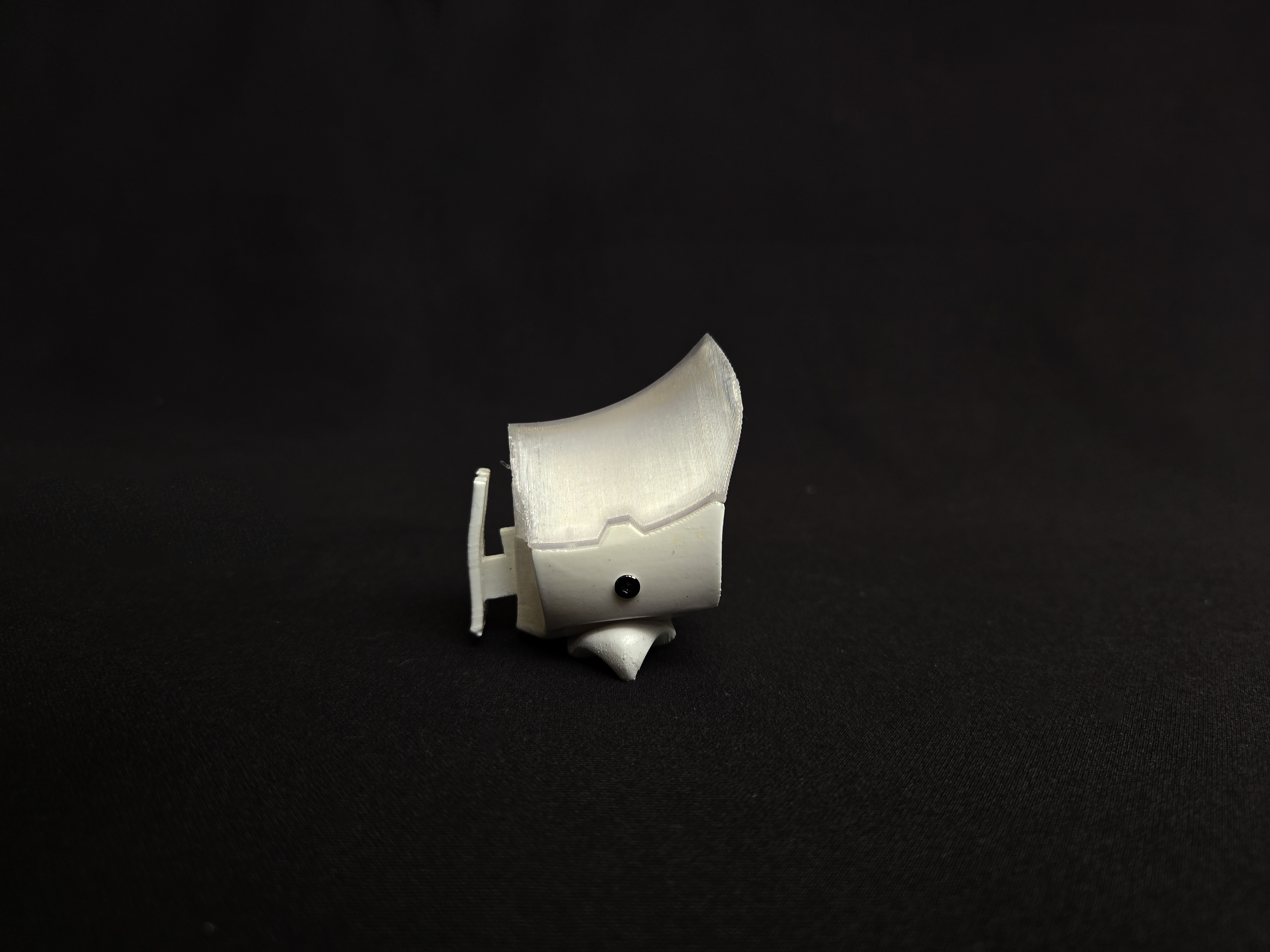
Worm segments connect by linking them together and attaching clear caps to lock everything in place.
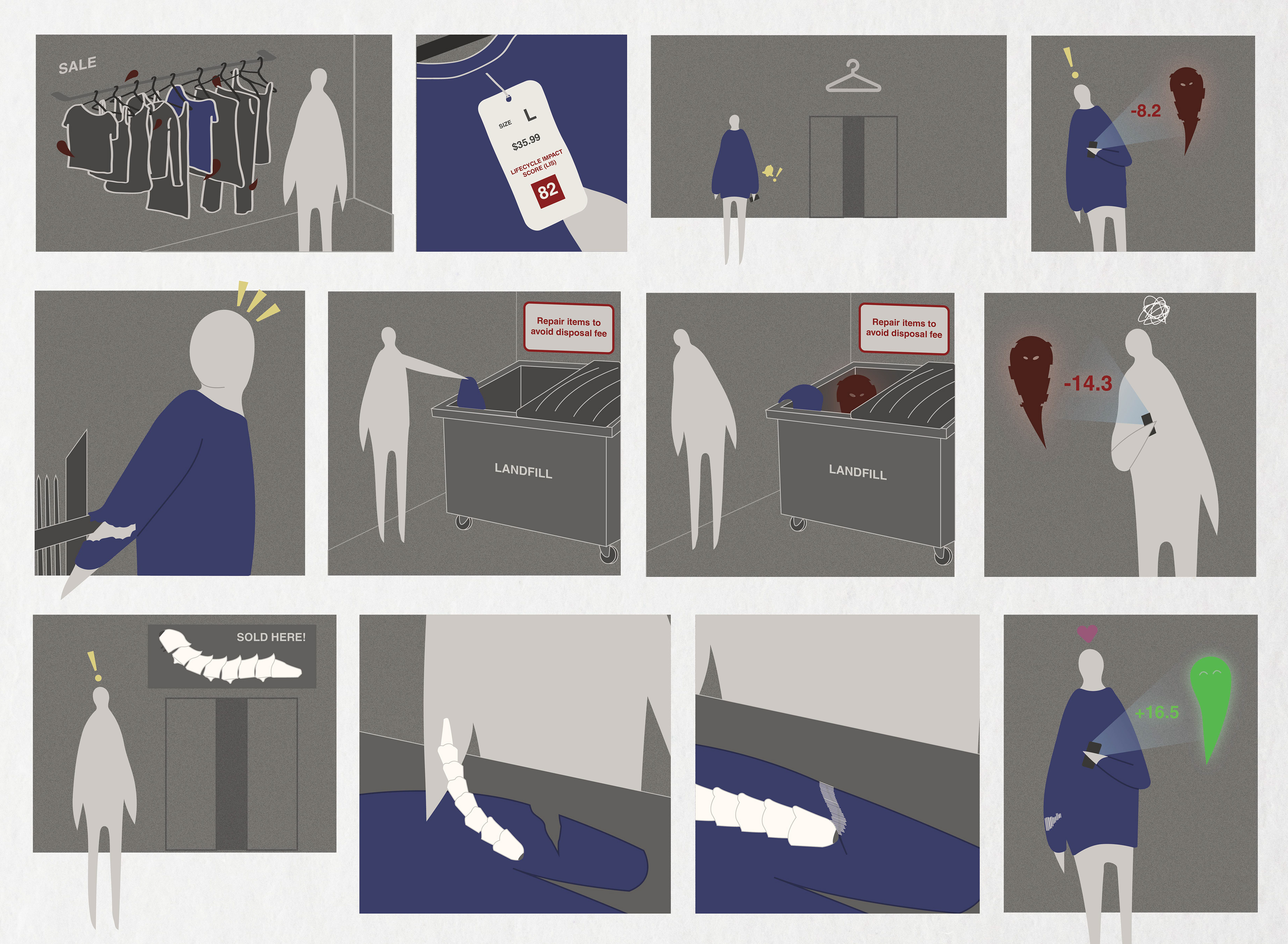
Updated storyboard
thank you.